

A note tells you what to look for in a perfume. It does not tell you what the perfume will become.
Perfume may be one of the few luxury products we routinely describe using a selective list of things that may not actually be inside it: bergamot, rose, saffron, leather, amber, musk. The list looks precise and informative, and it can influence whether we decide to smell a fragrance at all.
But a note list is not the formula, it is not a recipe, and it is not a reliable prediction of what wearing the perfume will actually feel like. That does not make perfume notes useless. It means we need to understand what they are designed to do.
They give us a language for describing fragrance. They do not tell us the whole story.


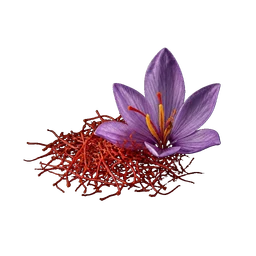
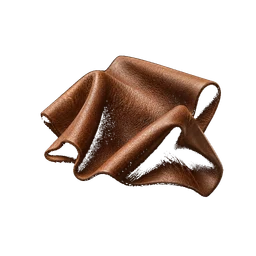
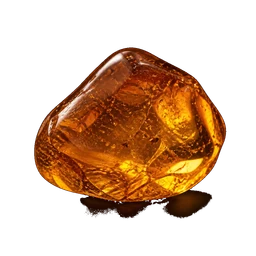
A note is not necessarily an ingredient
Leather is an obvious example. A perfumer does not simply add “leather” to a formula; a leathery effect is built from a combination of aromatic materials. The same is true of suede, clean linen, smoke, sea air, warm skin and many other familiar descriptions.
Amber is another example. In perfumery, amber usually describes a warm, resinous or sweet effect. It is not fossil amber, and it is distinct from ambergris.
A note is therefore often closer to an image than an ingredient. It tells you what a fragrance evokes, not necessarily what was poured into it.
The perfume pyramid tells a useful story
There is a real physical basis for this. Different perfume materials evaporate, diffuse and persist at different rates. A citrus effect may dominate the opening while woods, musks or resins remain noticeable much later. But perfume does not behave as if three separate drawers open one after another. The heart is already present when you first spray, and so is the base. What changes is their relative prominence.
Some materials disappear faster while others remain. As that balance shifts, different parts of the fragrance become easier to notice. The pyramid is useful because it turns a continuous process into something easy to communicate. Real perfume is less orderly.


The note list gives you vocabulary. It does not give you the architecture.
That is entirely possible because the note list tells you very little about how those elements have been constructed. Rose can be fresh and transparent, dark and jammy, green, metallic or powdery. Oud can dominate a fragrance or contribute little more than depth. Amber can feel soft and enveloping or dense and intensely sweet.
What matters is not simply whether a note is present, but how it has been used and what surrounds it. Dosage, texture, contrast and composition determine what the finished perfume becomes. Two dishes can contain tomato, garlic, olive oil and basil and still taste completely different. Perfume is no different.
A list of components does not describe the finished experience.
This is why “I like vanilla” is not enough
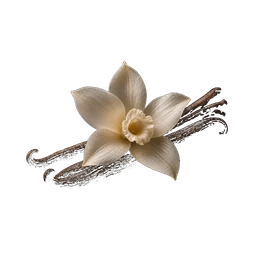
You can love vanilla in one perfume and find it unbearable in another. The same can happen with rose, oud, musk, patchouli or almost any other familiar note.
We often describe our preferences as though they were simple: “I love rose.” “I hate vanilla.” “I don't like oud.” “I always look for sandalwood.” These are useful clues, but they rarely tell the whole story.
Perhaps you enjoy vanilla when it is dry and smoky but not when it becomes intensely sweet. Perhaps rose works for you when it feels dark and structured but not when it turns powdery. Perhaps woods appeal to you when they stay close to the skin but not when they project strongly.
The important part may not be the note itself. It may be the relationship between that note and everything around it. What we respond to in perfume is often a structure, not a single ingredient or effect — and structure is difficult to capture in a list.
Then the perfume meets you
There is one more reason a note list cannot predict the full experience: people do not perceive fragrance identically. Sensitivity to individual aroma molecules varies, so a material that seems obvious to one person may be much less noticeable to someone else. Experience changes perception too; once you learn to recognize a particular material or accord, you may begin noticing it in fragrances where you previously missed it.
Expectation can influence attention as well. If someone tells you to look for cherry, smoke or leather before you smell a perfume, that description can shape what you notice.
Then there is the way the fragrance behaves when worn. Temperature, application quantity, humidity, skin condition and whether the fragrance is applied to skin or fabric can all influence how different parts of the composition reach your nose over time. The perfume you applied has not become a different formula, but your experience of it can still change.
Notes describe perfume. They do not predict it for you.
Perfume notes remain extremely useful. They give us vocabulary for something that can otherwise be difficult to describe. They help perfumers and brands communicate an idea, critics discuss fragrances, and consumers decide what might be worth smelling.
A list of notes cannot reliably tell you whether a fragrance will feel too sweet, whether its rose will feel fresh or powdery, whether its woods will sit quietly on the skin or dominate the room, what you will notice several hours later, or whether you will want to wear it again.
A note list describes the fragrance from the outside. Prediction requires understanding what happens when that fragrance meets a particular wearer.
That distinction sits at the heart of Olvara. Knowing what is in the description is only the beginning.
The more interesting question is: